
Trade show translation: what actually happens at the booth
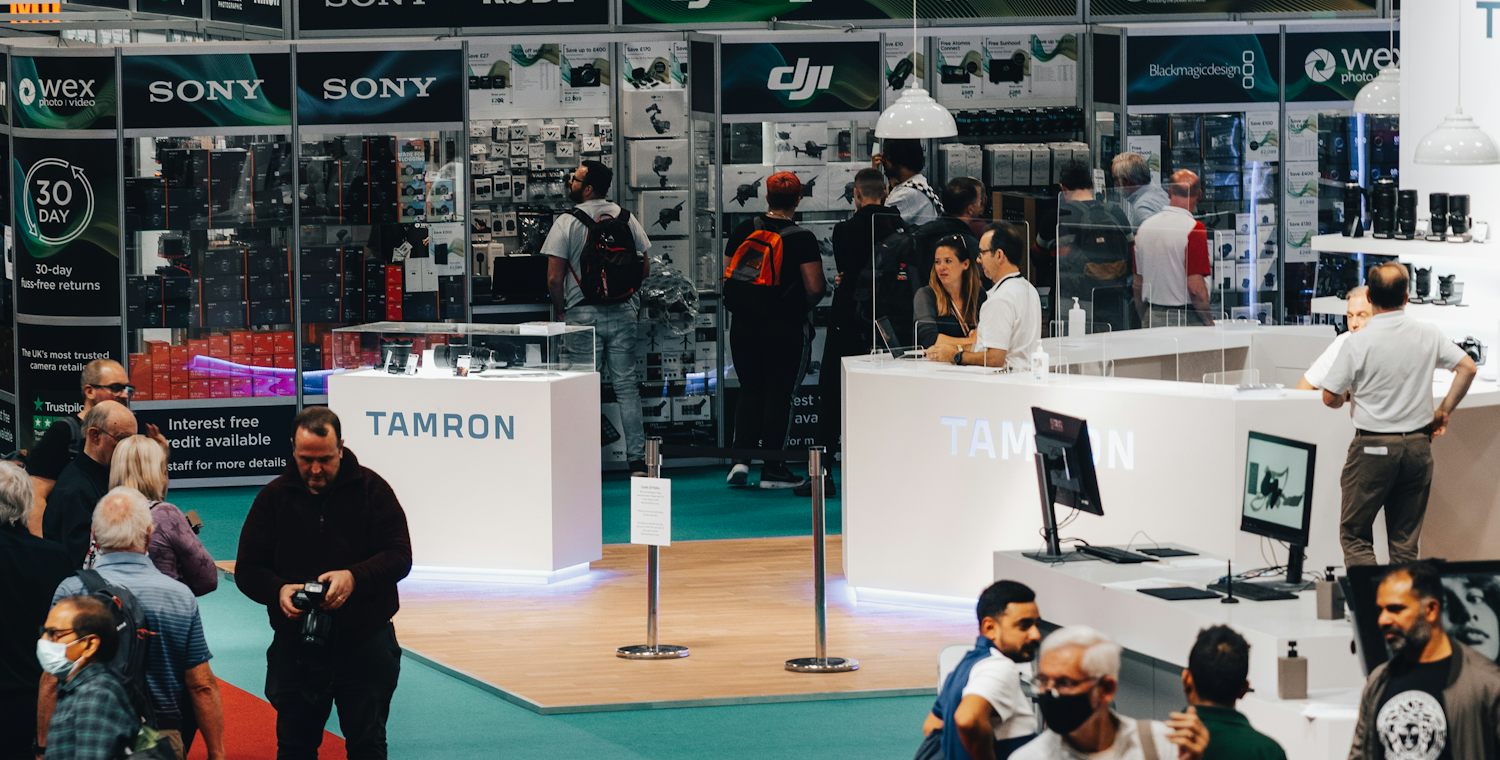
The visitor who does not speak your language rarely tells you so. They look at the product, take a brochure, and walk on — and your lead report will never show that they were there.
The problem: a lead that never starts leaves no record
Every exhibitor has a number for booth cost, drayage and badge scans. Almost none has a number for the conversations that never started. When a conversation dies on language, the booth produces one of two things: nothing at all, or a badge scan with no notes. Six weeks later, at follow-up, a silent scan looks exactly like a real conversation. So the loss is not just unmeasured — it is filed under “cold lead” and blamed on the list.
- Slowed at the aisle, read the banner, kept walking Lead reportNothing. They were never there.
- Took a spec sheet, nodded, left Lead reportNothing, or a literature count.
- Scanned, pointed at the product, said “good, good” Lead reportA scan with no notes — scored the same as a browser.
- Waited twenty minutes for the one bilingual person on the floor Lead reportOne good lead — and the four people who gave up waiting.
The first row is the largest category and the only invisible one: people do not stop when they expect to be embarrassed. The fourth row is what translation usually looks like at a show — not absent, but rationed to the one person who speaks the language, who becomes a queue.
The one that costs you the most is the one you never saw happen.
The solutions exhibitors have currently
Every exhibitor has tried at least two of these. Bilingual staff — a person speaks one or two languages, they change with every show, and six languages is six more badges, flights and hotel rooms. Professional interpreters — genuinely work, priced per language per day plus the headset kit, booked weeks out while you are still guessing the languages, and a third person now stands between you and your buyer. Translated brochures — cheap and worth doing, but one-way: they can read your spec sheet in Spanish and still cannot ask the one question they walked up with. Phone translation apps — free, fine for a sentence, three times as slow, and useless for the demo you give twelve times a day. And hoping English carries — the actual incumbent, because it leaves no evidence.
There is one trade running through all five. The answers that give you a real connection do not scale, and the answers that scale give you no connection. Nobody has been able to buy both, so every exhibitor picks the compromise they can afford and calls it handled.
Which means the bar is not high. Nobody on the floor has a good answer, so the visitor who does not speak your language is not comparing you against a standard — they are noticing whether you tried at all. The company that meets them in their own language stands out for that alone, because it is the only one that did.
The answer: your presentation, on their phone, in their language
MyOpenDoor Translate puts what you are saying on the visitor’s own phone, in their own language, while you are saying it. They follow your demo as whole sentences on the screen and a natural spoken voice in their own earbuds, about a second behind your mouth. They are looking at you, not at a device, and nobody is standing between you. It is the first answer on the list that gives you the connection and the reach at the same time.
They get there by scanning a QR code printed on your booth graphic — that is the door, and the only thing the visitor has to do. Everything that matters happens after it.
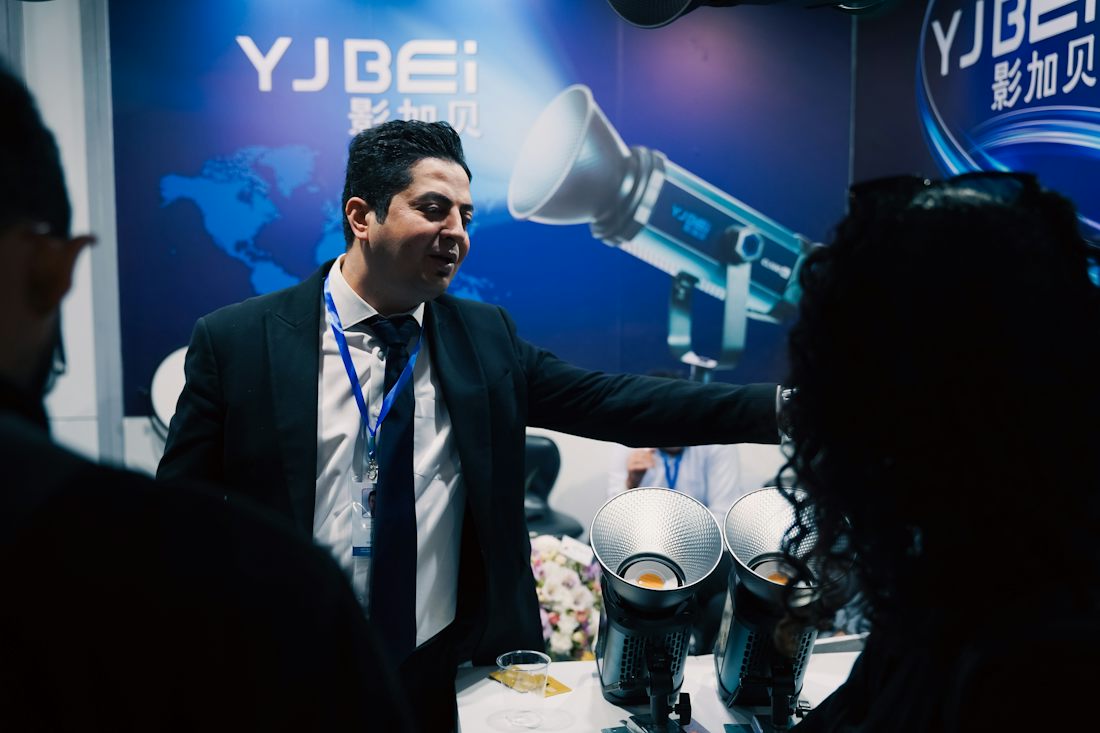
- One microphone carries every language at once. Captions in 190+ languages and a spoken voice in 60+. Ten people in front of you on six languages is the same broadcast, at no extra effort.
- Nothing is handed out and nothing comes back. No app to install, no account to create, no receivers or headsets to buy, charge, sanitise and chase at the end of the day.
- The audio survives a locked screen. They can put the phone in a pocket and keep walking your stand while they listen.
- Your vocabulary is loaded before the doors open. Model numbers, product names, the specification words only you use — set in advance so they come out right every time.
- You get the transcript afterwards. Every paragraph in English and in each language it went out in, so the follow-up can say you asked about the feed rate on the 40-inch head — in their language.
It works the same way for one stand and for a whole hall. An exhibitor can run it at their own booth for the demo. An organizer or a venue can carry it for the whole show — the keynote, the seminar rooms, the safety briefing and every stand on the floor — and put it in the program and on the badge, so attendees arrive expecting it. Nothing is handed out, so there is no ceiling on how many people can be served.
Where it gets decided: on the artwork, weeks before the show
Here is where most people get this wrong. The only way a visitor finds out you can meet them in their own language is a printed surface — a banner, a back wall, the sign hanging over your space. All of that is ordered weeks before the show, from the company that builds your booth. By move-in day, every surface a visitor will look at has already been made. A language you decide to offer after that spends the show taped to a table in a plastic sleeve.
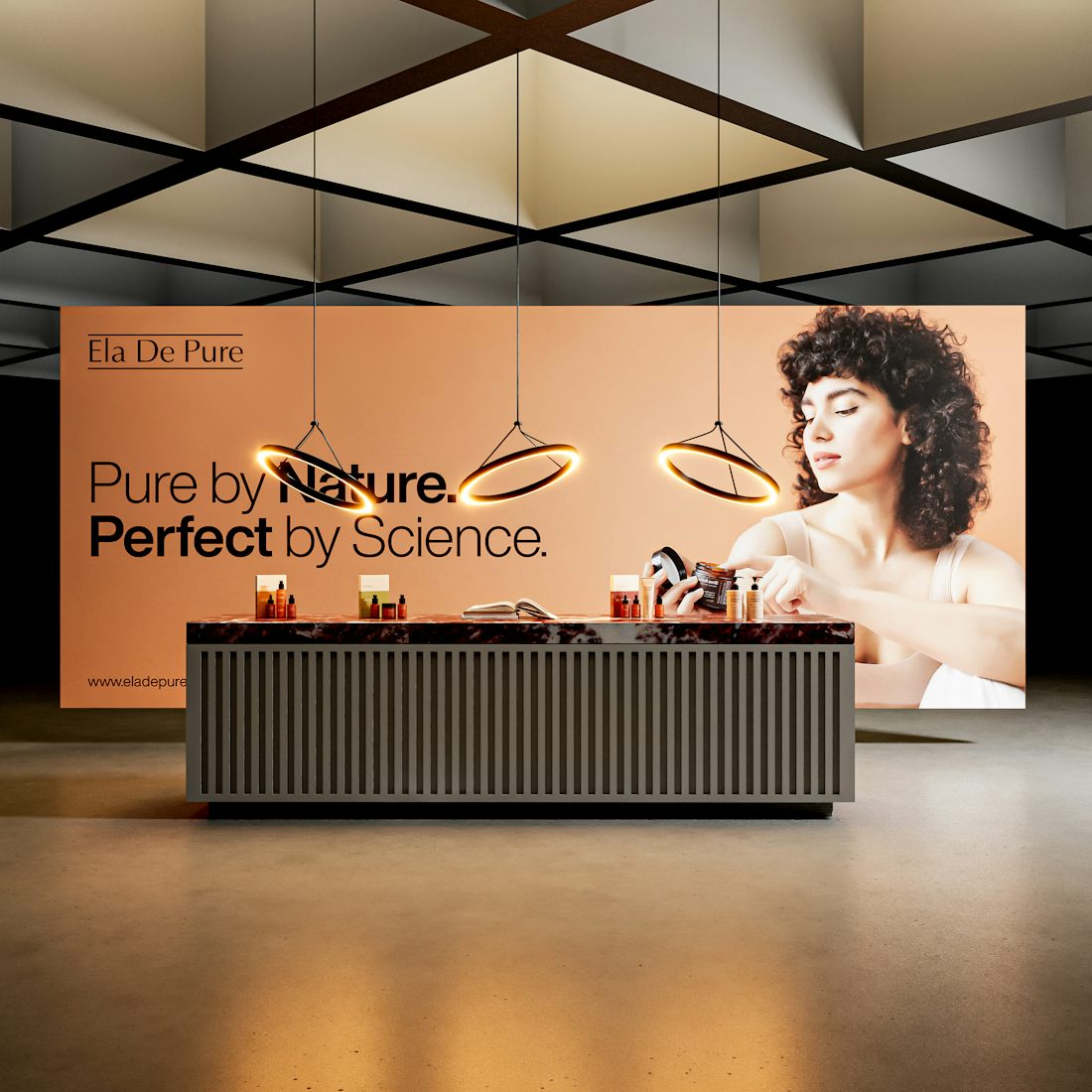
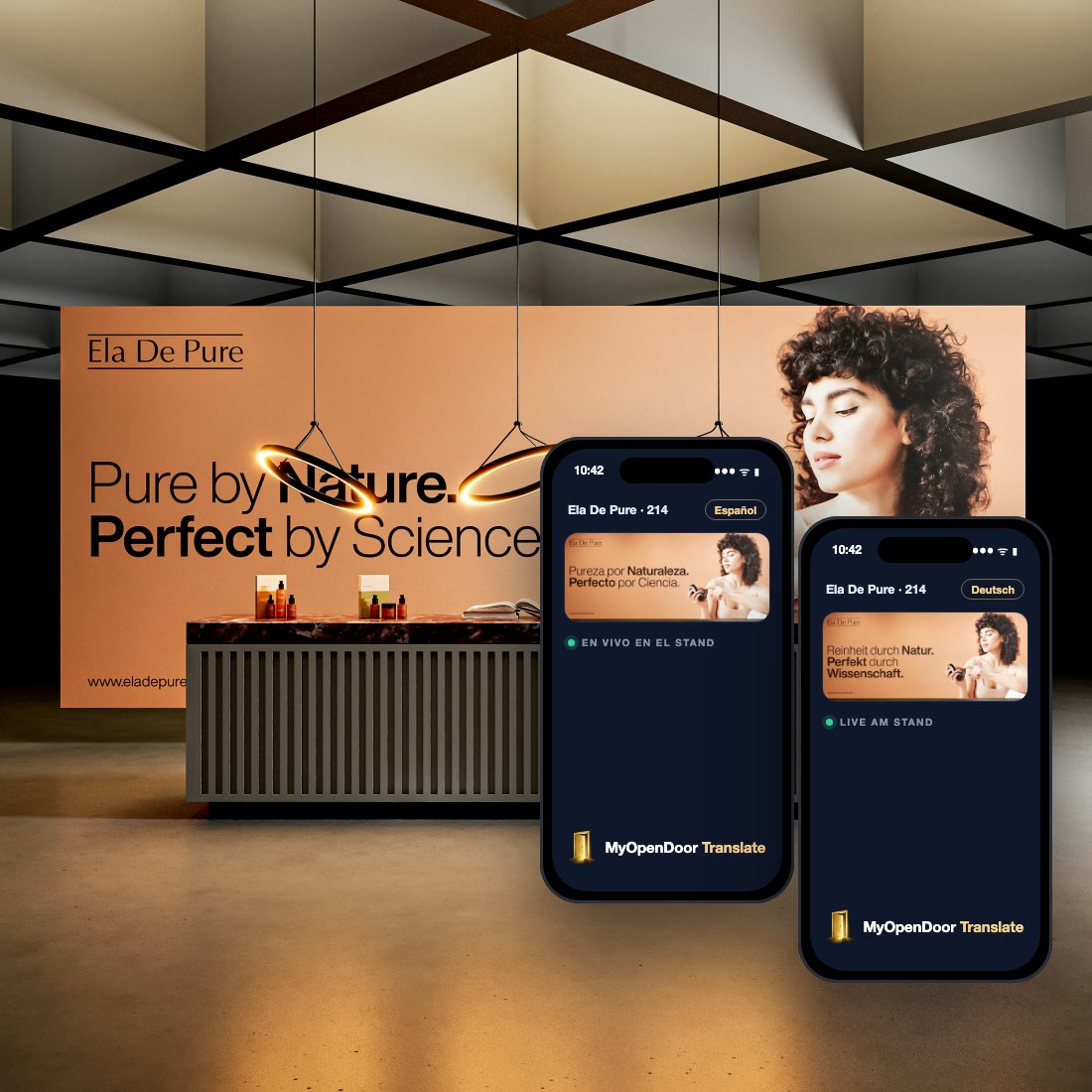
So the languages conversation belongs with your exhibit supplier, at the same time as the logo and the headline — not with a software vendor the week before. Put the way in on the aisle-facing graphic at standing eye height, big enough to scan from four or five feet, and label it in the languages themselves: Español · Hmoob · Français does the work from six feet away, where “Scan for translation” is an instruction the person who needs it cannot read.
This is why the good exhibit houses will end up carrying it — they already own the moment where these decisions get made. APG Exhibits, who design and build booth displays and publish the free TradeShow Event Directory, do exactly that work, and the languages question fits on the same call as the artwork. A show like the Great Lakes Logging & Heavy Equipment Expo in Green Bay — 300-plus exhibitors drawing from Wisconsin, Michigan and the broader Lake States region, where Wisconsin alone has one of the largest Hmong populations in the country — is not a single-language room, and the exhibitors who know that before the graphics go to print are the ones who get to use it.
Frequently asked questions
How do you handle language barriers at a trade show booth?
First find out which languages your visitors actually speak — last year’s badge scans, the show’s published attendee profile, and your own service and warranty calls will tell you. Then be honest about the options: bilingual staff and interpreters give you a real exchange but cost a person per language per day; translated brochures and phone apps reach anyone but give no exchange at all. Live translation on the visitor’s own phone — captions and a spoken voice in their language while you present — is the first answer that does not make you choose between the two.
Do trade show visitors need to download an app to get translation?
No. A QR code on the booth graphic opens a page in the phone’s own browser. The visitor picks a language and gets captions and a spoken voice through their own earbuds. No app, no account, no receivers to hand out, charge, clean and chase.
Should the exhibitor pay for this, or the show organizer?
Either works, but the show level is stronger. An individual exhibitor is being asked to fund a line with no evidence behind it, because the visitors they lost never appeared in any report. When the organizer or the venue carries it, it goes in the program and on the badge, attendees arrive expecting it, and it covers the show’s own stage content as well as the exhibit floor.
The show and the figures above come from the TradeShow Event Directory — a free directory of North American trade shows and conferences, published by APG Exhibits, who design and build booth displays: backlit walls, fabric graphics and modular systems. If you are working out which shows to exhibit at next year, or who is going to print the wall this article keeps talking about, start there.
Photographs are stock images of trade shows under the Unsplash License; the exhibitors pictured are unconnected to MyOpenDoor and to APG Exhibits.